
What Are Property Taxes Like in Lebanon, NH?Written by Brian Molloy | NextHome Modern RealtyProperty tax is one of the biggest ongoing costs of owning a home in Lebanon, and it works differently
Dated: June 2 2026
Views: 1000
Reviewed by Spenser Molloy | Broker/Agent, NextHome Modern Realty
Written by Brian Molloy REALTOR® | Agent, NextHome Modern
This article was reviewed for local real estate accuracy by Spenser Molloy, Broker/Agent at NextHome Modern Realty, serving Lebanon, NH, Hanover, NH, the Upper Valley, and nearby Vermont communities.

Lebanon City Square, the heart of downtown Lebanon, NH
Yes — Lebanon, NH is widely considered one of the best places to live in the Upper Valley. It offers a rare combination of small-town community, world-class healthcare, strong employment, outdoor recreation, and easy access to both Vermont and major New England cities. With no state income or sales tax, a highly educated population, and a quality of life that consistently draws professionals and families from across the region, Lebanon stands out as one of New Hampshire's most livable cities.
There's a reason people who visit Lebanon, NH often end up staying. The city has that particular New England quality that's hard to manufacture and impossible to fake — genuine community, beautiful seasons, and the feeling that the people around you actually know each other's names.
Lebanon is the largest city in Grafton County and the commercial hub of New Hampshire's Upper Valley region. It sits at the crossroads of two major interstates, neighbors one of the world's most prestigious universities, and is home to a nationally recognized healthcare system. Yet despite all of that, it still feels like a place where neighbors wave from the driveway and the farmers market fills up with familiar faces on Saturday mornings.
Whether you're relocating for a position at Dartmouth Health, joining the faculty at Dartmouth College in nearby Hanover, working remotely and looking for a better quality of life, or simply ready to trade congestion for community — Lebanon deserves a serious look.
This guide covers everything you need to know about living in Lebanon, NH: neighborhoods, cost of living, schools, employment, recreation, and the honest pros and cons of calling this corner of New Hampshire home.
Lebanon sits at the crossroads of I-89 and I-91, making it one of the most accessible communities in northern New England
Lebanon is located in Grafton County in western New Hampshire, positioned along the Connecticut River that forms the border between New Hampshire and Vermont. It sits at the junction of Interstate 89 (which runs northeast toward Concord and Montpelier) and Interstate 91 (which runs north-south through Vermont), making it one of the most accessible communities in northern New England.
The city is directly adjacent to Hanover, NH, home of Dartmouth College. That proximity gives Lebanon residents access to Dartmouth's arts, cultural, and educational programming while enjoying a more commercially active and affordable community.
Just across the Connecticut River lies White River Junction, VT and the town of Hartford, VT — both within a short drive and considered part of the broader Upper Valley community. The Vermont towns of Norwich and Wilder are also close neighbors.
In terms of regional distances, Lebanon is roughly:
This positioning is significant. Lebanon gives residents the peace and pace of a small New England city while keeping major metro areas reachable for travel, business, or weekend trips.
The Upper Valley's employment landscape is anchored by institutions that offer long-term stability and high-quality jobs. Dartmouth Health — the largest employer in the region — has its flagship Dartmouth Hitchcock Medical Center (DHMC) in Lebanon, drawing physicians, researchers, nurses, administrators, and support staff from across the country. Alice Peck Day Memorial Hospital also serves the community and contributes meaningfully to local employment.
Hypertherm, a globally recognized manufacturer of industrial cutting systems headquartered in West Lebanon, is another major employer. The company is 100% employee-owned and has a strong reputation for treating its workforce well — a significant draw for professionals in engineering, manufacturing, and operations.
Beyond the anchors, Lebanon and the broader Upper Valley support a growing ecosystem of technology companies, research firms, professional services, and small businesses. Remote workers have also discovered Lebanon: fast internet, affordable (by southern NH and Boston standards) housing, and quality of life make it an excellent base for location-independent professionals.
People who move to Lebanon tend to talk about the quality of life with a kind of quiet enthusiasm — not the breathless pitch of someone trying to sell you something, but the settled satisfaction of someone who made a good decision and knows it.
The schools are solid. The crime rates are low. The air is clean. The pace is manageable. You can get a table at a restaurant on a Friday night without a two-hour wait. You can hike a mountain on a Saturday morning and be back home by noon. These things add up.
The Upper Valley is a four-season outdoor destination, and Lebanon is right in the middle of it. Mascoma Lake — accessible right in Lebanon — offers swimming, kayaking, fishing, and waterfront relaxation in the summer. The Northern Rail Trail runs through the region and connects communities along a beautifully maintained multi-use path.
Skiing is a short drive away. Suicide Six and Woodstock's ski areas are easily accessible, and Killington — one of the East's largest ski resorts — is roughly an hour away. In summer and fall, hiking opportunities on both sides of the Connecticut River are abundant. The White Mountains to the north, the Green Mountains of Vermont, and numerous local trails make Lebanon a hub for outdoor enthusiasts.
Mascoma Lake is one of the Upper Valley's most beloved local landmarks, offering swimming, kayaking, and waterfront recreation all summer long.
Lebanon has the bones of a classic New England city — a walkable downtown, a historic opera house, a functioning community square — combined with the energy of a university town and the stability of a healthcare-driven economy. It doesn't feel transient. People come and tend to stay.
The presence of Dartmouth Health and Dartmouth College infuses the community with an intellectual and civic-minded population that shows up at school board meetings, supports local arts, and invests in the community. For families and retirees alike, that social fabric matters.
This deserves its own mention. Having Dartmouth Hitchcock Medical Center in your backyard is an extraordinary advantage. DHMC is a Level 1 trauma center, teaching hospital, and one of the premier academic medical centers in New England. For families with health concerns, parents aging in place, or anyone who values proximity to specialized medical care, Lebanon's healthcare access is unmatched in the region.
Lebanon has a population of roughly 14,000–15,000 people — large enough to have real amenities, small enough that you'll run into someone you know at the grocery store. It's classified as a city but feels like a town in the best possible sense.
The downtown is genuine. The Lebanon Opera House anchors a historic city square surrounded by locally owned restaurants, coffee shops, and small businesses. First Friday events bring out the community on a regular basis. The square comes alive in summer with outdoor gatherings and seasonal events.
Downtown Lebanon and parts of West Lebanon offer reasonable walkability — you can walk to restaurants, shops, the farmers market, and the Opera House without getting in a car. Outside the downtown core, you'll need a vehicle for most daily errands. Lebanon is not a car-free city, but it's far more walkable than most New Hampshire communities of similar size.
Lebanon is a safe community. Crime rates are consistently low relative to state and national averages, and residents routinely describe feeling comfortable walking downtown at night or letting their kids play outside. As with any community, specific blocks and situations vary, but overall Lebanon has a well-earned reputation for safety.
The Lebanon Opera House is a genuine gem — a beautifully restored 1924 theater that hosts concerts, plays, film screenings, and community events year-round. The co-op farming market, summer festivals, art walks, and community gatherings create a social calendar that keeps people engaged without requiring a trip to Boston.
Dartmouth's Hopkins Center for the Arts in nearby Hanover brings world-class performances to the region. Lebanon residents are a short drive from one of the best small-city arts venues in New England.
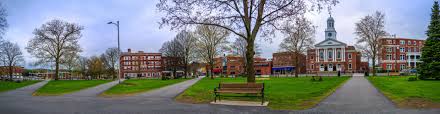
Lebanon's neighborhoods each have their own distinct character — from the walkable energy of downtown to the quiet of the city's rural edges.
Lifestyle: Walkable, active, community-centered. This is the heart of the city — the Lebanon City Square, the Opera House, and the concentration of locally owned restaurants and shops define the neighborhood's character. It's the most walkable part of Lebanon and the most visible to visitors.
Housing Types: A mix of historic single-family homes, condominiums, and some multi-family properties. Older homes with architectural character are common. Inventory can be limited because people who buy here tend to stay.
Commute Considerations: Easy access to both Dartmouth Health (a short drive north on Route 120) and Dartmouth College in Hanover (about 10 minutes). Downtown Lebanon is well-positioned for anyone working in the core of the Upper Valley.
Buyer Profile: Young professionals, couples, and empty nesters who prioritize walkability and community. People who want to be able to walk to dinner, the farmers market, and the Opera House without getting in a car.
Pros: Walkability, community energy, historic character, easy access to dining and events.
Cons: Older homes can require more maintenance investment; limited inventory; not ideal for buyers who want space and privacy.
Lifestyle: West Lebanon is Lebanon's commercial corridor — Route 12A runs through it, lined with retail, restaurants, and services. It's practical, convenient, and far less "quaint" than downtown, but that's precisely what makes it useful. West Lebanon handles the everyday errands that keep a household running.
Housing Types: A broader mix — single-family homes, townhouses, condominiums, and some newer construction. More options at a wider range of price points than downtown.
Commute Considerations: Easy access to I-89 makes West Lebanon attractive for anyone commuting toward Concord or Manchester. The Connecticut River and the Vermont border are right here, so commuting into Hartford, VT or White River Junction is simple.
Buyer Profile: Families who need practicality and space, professionals who want easy highway access, first-time buyers looking for more inventory options.
Pros: Convenient retail and services, strong highway access, more affordable options, newer housing stock.
Cons: Less walkable and character-rich than downtown; Route 12A traffic can be heavy.
Lifestyle: Quieter, more residential, and increasingly popular with buyers who want a bit more space without leaving Lebanon. East Lebanon sits away from the commercial bustle and feels more rural while still being close to everything.
Housing Types: Primarily single-family homes, often on larger lots. A mix of older New England homes and some newer construction. More land available here than in other parts of Lebanon.
Commute Considerations: Route 4 provides access in and out, with Enfield NH to the east. Commute to DHMC or downtown Hanover is manageable — generally under 15–20 minutes depending on specific location.
Buyer Profile: Families who want more space, buyers who prefer quiet and privacy, those drawn to a more rural setting while staying within the Lebanon city limits.
Pros: More land and privacy, quieter environment, access to Mascoma Lake area, generally more affordable per square foot.
Cons: Farther from walkable amenities; car-dependent for most errands.
Lebanon's broader geography includes rural pockets and surrounding towns — Enfield NH to the east, and the Vermont communities of Norwich VT and Hartford VT just across the river — that function as part of the Upper Valley lifestyle even if they fall outside Lebanon's official boundaries.
Norwich VT in particular is a sought-after community for Dartmouth-affiliated buyers who want a Vermont address and exceptional schools. The rural areas surrounding Lebanon proper offer the kind of property — land, views, privacy, classic New England farmhouses — that draws buyers who've done their time in more crowded places and are ready for something different.
Lebanon is not inexpensive by rural New Hampshire standards, but compared to the markets most relocating buyers are coming from — Boston's metro, Fairfield County, the New York suburbs, or even southern New Hampshire — it offers meaningful value.
Residential real estate in Lebanon ranges broadly based on neighborhood, size, and condition. Condos and townhouses provide entry points for first-time buyers and downsizers. Single-family homes in or near downtown Lebanon and desirable residential neighborhoods typically command a premium. East Lebanon and more rural areas generally offer larger lots at lower prices per square foot.
The Lebanon market has seen consistent demand driven by the stability of Dartmouth Health, Dartmouth College, and regional employers. Inventory is historically tight, and well-priced, well-maintained homes tend to move quickly.
New Hampshire has no state income tax and no state sales tax — a significant financial advantage for residents, particularly those coming from Massachusetts, Connecticut, or New York. Property taxes in Lebanon are meaningful (as they are throughout New Hampshire, which funds local services through property tax), but the absence of income and sales tax often results in a net financial benefit for working households.
It's worth running your own numbers with a financial advisor familiar with the NH tax structure before drawing conclusions.
Heating costs are a real consideration in northern New England. Winters in Lebanon are genuine — temperatures regularly drop below freezing from December through March, and home heating represents a meaningful budget line item. Natural gas, oil, propane, and wood pellets are all used in the region, with costs varying by fuel type and home efficiency.
Lebanon has solid grocery options — a Hannaford and a co-op market serve the community, along with the Lebanon Farmers Market for local and seasonal goods. Day-to-day grocery and consumer expenses are broadly comparable to other New Hampshire communities, and without sales tax, your dollar goes a bit further at the register.
Having DHMC in your community is an asset in terms of access, but healthcare costs are a national issue regardless of geography. Employer-sponsored insurance — common among the major employers in the area — helps mitigate out-of-pocket costs for many residents.
Most Lebanon residents own at least one vehicle. The Advance Transit bus system serves Lebanon and connects to Hanover, White River Junction, and other Upper Valley communities at no charge — a genuine amenity that some residents use regularly for commuting. For longer trips, the Upper Valley lacks a regional train station, so cars are the primary mode of transportation for travel outside the immediate area.
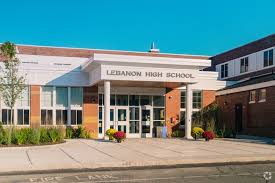
The Lebanon School District serves students from kindergarten through 12th grade, with Lebanon High School as the culminating institution. The district has a solid academic reputation, supported in part by the educated and engaged community that the presence of Dartmouth and DHMC attracts. Parent involvement tends to be high, and the district benefits from a community that takes education seriously.
The Upper Valley is unusually rich in educational options. Lebanon is directly adjacent to Hanover, where Dartmouth College brings intellectual energy and resources to the broader community. Private school options exist in the region for families seeking independent school education.
Vocational and technical training is available through the regional career and technical education programs, and the community college system in New Hampshire offers additional pathways for adult learners and non-traditional students.
Even for families whose children won't attend Dartmouth, the university's presence shapes the community in positive ways. Dartmouth hosts public lectures, arts programming through the Hopkins Center, community events, and creates an intellectually engaged population that tends to invest in local schools, libraries, and community institutions. That culture is felt in Lebanon even though Dartmouth itself sits in neighboring Hanover.
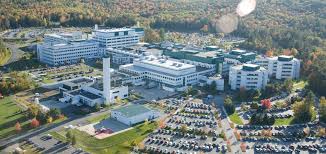
Dartmouth Hitchcock Medical Center is the largest employer in the Upper Valley and one of the premier academic medical centers in New England.
Dartmouth Health — anchored by Dartmouth Hitchcock Medical Center in Lebanon — is the largest employer in the Upper Valley and one of the most significant healthcare systems in New England. DHMC is a Level 1 trauma center, a teaching hospital affiliated with the Geisel School of Medicine at Dartmouth, and a destination for patients from across northern New England and beyond.
For anyone relocating for a position at Dartmouth Health, Lebanon is the logical home base. See our Dartmouth Health Relocation Guide for detailed guidance on neighborhoods, commute times, and housing options specifically for DHMC employees and providers.
Alice Peck Day Memorial Hospital (APD), located in Lebanon, serves as a community hospital providing primary and specialty care, surgical services, and a range of outpatient programs. It operates as part of the Dartmouth Health system and plays an important role in the community's healthcare infrastructure.
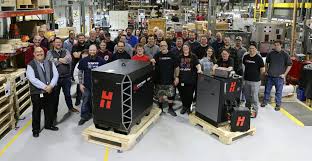
Hypertherm Associates, headquartered in West Lebanon, is a global leader in industrial cutting technology. The company is 100% employee-owned — one of the largest employee-owned manufacturers in the United States — and has a strong reputation for worker culture and benefits. Hypertherm employs several thousand people in the region, making it one of the Upper Valley's most significant private employers.
The combination of a major academic medical center, an Ivy League university, and an employee-owned global manufacturer gives Lebanon and the Upper Valley an economic stability that many similarly sized communities lack. The region is not immune to broader economic cycles, but the institutional anchors provide a meaningful floor that keeps the local economy relatively resilient.
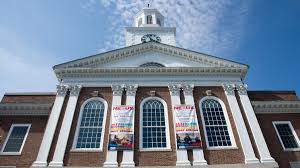
The Lebanon Opera House, built in 1924, is the cultural anchor of downtown and hosts year-round performances, film screenings, and community events.
Mascoma Lake — Located right in Lebanon, Mascoma Lake is a beloved local landmark. Swimming, kayaking, paddleboarding, fishing, and lakeside relaxation draw residents throughout the summer. The lake area is a genuine community gathering spot.
Northern Rail Trail — This multi-use recreational trail runs through Lebanon and connects communities across the region. It's ideal for cycling, running, walking, and snowshoeing in winter.
Hiking — The Upper Valley is surrounded by excellent hiking terrain. From shorter, family-friendly trails to more demanding ridge walks with panoramic views, the options are plentiful on both the New Hampshire and Vermont sides of the river.
Skiing — Lebanon's location makes it a strong base for skiers. Suicide Six in Woodstock, VT is nearby for a local day trip. Killington, Okemo, and Waterville Valley are all within reasonable driving distance for a full ski day or weekend.
River Recreation — The Connecticut River offers paddling, fishing, and seasonal recreation. Launch points are accessible, and the river corridor is beautiful through all four seasons.
Lebanon Opera House — One of Lebanon's most distinctive landmarks, the Lebanon Opera House is a beautifully restored early 20th-century performance space in the heart of City Square. It hosts concerts, theater, dance, film, and community events throughout the year. It's the kind of venue that makes a small city feel culturally vibrant.
Hopkins Center for the Arts (Hanover) — Dartmouth's arts center brings world-class performers, films, and exhibitions to the region, and Lebanon residents are a short drive from every event.
Downtown Events — Lebanon City Square hosts seasonal events, outdoor concerts, art walks, and community celebrations. First Friday events are a fixture in the local social calendar.
Lebanon Farmers Market — A warm-weather institution, the farmers market brings together local growers, food producers, and artisans. It's a weekly ritual for many residents and a good place to get a feel for the community.
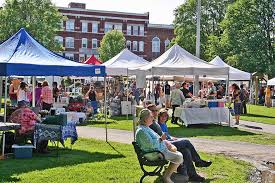
Lebanon and the broader Upper Valley lean into the seasons in ways that create a year-round social calendar — winter festivals, maple season celebrations, fall foliage events, summer outdoor concerts, and community gatherings that mark the rhythms of New England life.
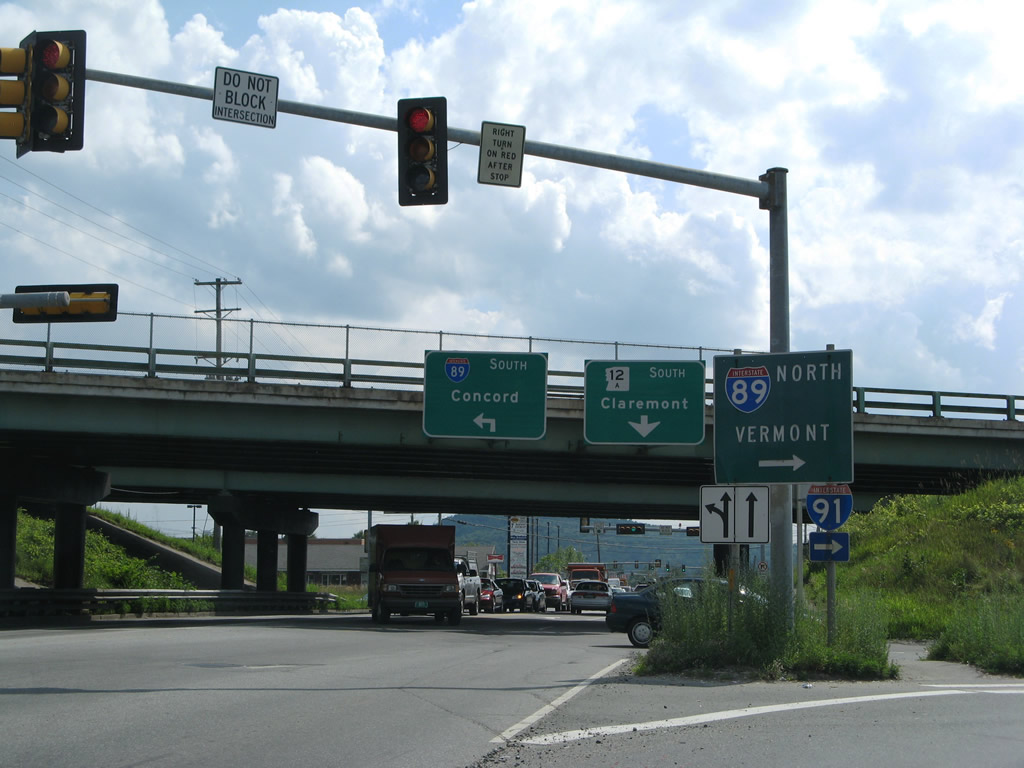
One of Lebanon's practical advantages is its position at the intersection of I-89 and I-91, which makes commuting to surrounding communities relatively efficient.
Hanover, NH — Lebanon and Hanover are essentially adjacent communities. A commute between the two takes 10–15 minutes under normal conditions, and many residents of Lebanon work or study in Hanover daily. Advance Transit bus service also connects the two communities.
White River Junction, VT / Hartford, VT — Just across the Connecticut River, these Vermont communities are a 10–15 minute drive from Lebanon. Professionals working on the Vermont side find Lebanon an excellent home base.
Concord, NH — The state capital is roughly 45–55 minutes south on I-89. Professionals who work in Concord but prefer Upper Valley life manage this commute regularly.
Manchester, NH — Manchester is approximately 1 to 1.5 hours south — feasible for occasional trips, less practical as a daily commute, though some professionals make it work.
Boston, MA — Boston is roughly 2 to 2.5 hours south via I-89 to I-93. Not a daily commute for most, but very manageable for monthly business trips or weekend visits.
Advance Transit — Lebanon is served by Advance Transit, a free regional bus system connecting Lebanon, Hanover, White River Junction, and surrounding communities. It's a genuine commuting option for those working in the core Upper Valley corridor.
For those flying, the Manchester-Boston Regional Airport (~1 hour south) and Burlington International Airport (~1.5 hours north) are the most practical options. Boston Logan (~2.5 hours) handles most major international connections.
Lebanon's housing stock ranges from historic New England homes downtown to newer construction and spacious rural properties on the city's edges.
Lebanon's real estate market reflects the broader dynamics of the Upper Valley: steady demand, constrained inventory, and sustained buyer interest driven by institutional employment anchors.
Lebanon's housing stock runs the gamut from historic downtown New England homes — cape cods, colonials, Victorian-era properties — to mid-century single-family homes, newer construction, townhouses, and condominiums. West Lebanon has seen some newer development that has added to the condo and townhouse inventory. Rural parcels on the edges of the city offer land and privacy for buyers seeking something different.
The Upper Valley real estate market has experienced sustained demand in recent years. The combination of Dartmouth Health recruitment, Dartmouth College affiliated buyers, remote workers relocating from higher-cost markets, and retirees seeking a safe, educated community creates consistent pressure on housing inventory.
Properties in well-located neighborhoods — particularly those within easy reach of DHMC and downtown — tend to attract significant buyer interest. Well-priced, well-presented homes frequently receive multiple offers.
The institutional stability of the Upper Valley — anchored by Dartmouth Health, Dartmouth College, and Hypertherm — provides a foundation that many buyers find reassuring. Unlike markets driven primarily by one industry or economic trend, Lebanon's employment base is diversified across healthcare, education, manufacturing, and professional services. That diversity tends to support property values through economic cycles.
Contact our team for current market conditions, active listings, and guidance on buying in the Upper Valley.
Note: This content is for informational purposes only and does not constitute legal, tax, or financial advice. Consult appropriate professionals for guidance specific to your situation.
Local Insight from Spenser Molloy, NextHome Modern Realty
"What I hear most from buyers relocating to Lebanon is surprise — they expected a small town and found a community with real depth. The proximity to DHMC and Dartmouth gives the area an energy and stability that's hard to find at this scale. What I tell people is: don't judge Lebanon by one drive-through on your way to Hanover. Spend a day at the farmers market, walk around the Square, and have lunch somewhere local. The community reveals itself pretty quickly. As a local real estate professional serving Lebanon, Hanover, and the Upper Valley, I help buyers understand not just where to buy — but where they'll actually want to live."
— Spenser Molloy, Agent | NextHome Modern Realty
Yes. Lebanon, NH is an excellent place to live for professionals, families, retirees, and remote workers. It combines strong employment, world-class healthcare, low crime, outdoor recreation, and genuine community with the financial advantage of no state income or sales tax. The quality of life consistently draws people from larger, more expensive markets who are looking for something more balanced.
Lebanon is moderately priced relative to most of New England. Housing costs are higher than many rural New Hampshire communities due to sustained demand from institutional employers, but significantly lower than Boston, Fairfield County, or the New York suburbs. The absence of state income and sales tax helps offset costs for working households.
Lebanon experiences true four-season New England weather. Summers are warm and beautiful — typically in the 70s and 80s — with low humidity compared to coastal areas. Fall is spectacular, with foliage that rivals anywhere in the country. Winters are cold and snowy; temperatures regularly drop below freezing from December through March, and snowfall accumulation can be significant. Spring arrives late but is lovely when it comes.
Lebanon and Dartmouth College (located in Hanover, NH) are essentially adjacent communities. The drive from central Lebanon to Dartmouth's campus is approximately 10–15 minutes. Many Lebanon residents work, study, or access cultural programming at Dartmouth regularly.
Lebanon is a strong choice for retirees. The combination of DHMC's world-class healthcare, a safe and walkable downtown, strong arts and cultural programming, four-season recreation, and an engaged community makes it appealing for active retirees. The absence of state income tax is also meaningful for retirees living on investment income or retirement distributions.
The major employment sectors in and around Lebanon include healthcare (Dartmouth Health / DHMC is the largest employer), higher education (Dartmouth College), manufacturing (Hypertherm), professional and business services, technology, retail, and hospitality. Remote work has also expanded the employment picture for residents whose jobs aren't tied to a specific location.
The best neighborhood depends on your priorities. Downtown Lebanon is ideal for walkability and community character. West Lebanon offers convenience and highway access. East Lebanon and rural areas provide more space and privacy. See our detailed guide to the Best Neighborhoods in Lebanon NH for a deeper breakdown.
Yes. Lebanon consistently reports crime rates below state and national averages. Residents describe feeling comfortable in their neighborhoods, including in the downtown area. As with any community, common-sense awareness is always appropriate, but Lebanon has a well-earned reputation as a safe place to live.
People are moving to the Upper Valley for a combination of career opportunities (particularly at Dartmouth Health and Dartmouth College), quality of life, outdoor recreation, safety, and the financial advantages of New Hampshire's tax structure. Many are relocating from higher-cost markets in Massachusetts, Connecticut, and New York and finding that the Upper Valley offers a more balanced and fulfilling lifestyle.
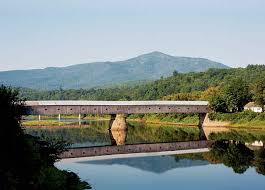
The Connecticut River forms the natural border between Lebanon, NH and Vermont — and frames one of the most beautiful landscapes in New England.
Lebanon, NH is one of those places that tends to exceed expectations. People research it as a practical decision — a job at DHMC, a position at Dartmouth, a desire to leave a crowded city behind — and discover it's actually a great place to live.
The combination of factors that defines Lebanon is difficult to replicate: institutional stability, community authenticity, outdoor beauty, healthcare access, financial advantages, and a pace of life that allows for something other than commuting and stress. It's not perfect — the winters are demanding, the housing market is competitive, and some conveniences require a drive — but the trade-offs make sense for most people who give it an honest look.
The Upper Valley has been drawing people in for generations and keeping them here. If you're considering a move, there's a reason this region has the reputation it does.
If you're considering a move to Lebanon, Hanover, or anywhere in the Upper Valley, Spenser Molloy and Brian Molloy with NextHome Modern Realty can help you compare communities, understand the local market, and find the right fit for your lifestyle and goals.
As local real estate professionals serving Lebanon, Hanover, and the Upper Valley, Spenser and Brian help buyers navigate communities on both sides of the New Hampshire and Vermont border — from historic downtown neighborhoods to rural properties with land and views.
Connect with NextHome Modern Realty — Upper Valley real estate, done the right way.
Other Blog Articles:
Best Neighborhoods Lebanon NH
Cost of Living Lebanon NH
Dartmouth Health Relocation Guide
Hanover vs. Lebanon NH

I am the Administrative Assistant at NextHome Modern Realty, where I help keep day-to-day operations running smoothly and support our team across a variety of administrative functions. I enjoy being p....
What Are Property Taxes Like in Lebanon, NH?Written by Brian Molloy | NextHome Modern RealtyProperty tax is one of the biggest ongoing costs of owning a home in Lebanon, and it works differently
How Much House Can I Afford in Lebanon, NH?Written by Spenser Molloy, Broker/Agent | NextHome Modern Realty Mortgage This is the question that should come before you ever tour a home, not.
Where Can I Find Apartments Near Lebanon, NH?Written by Brian Molloy | NextHome Modern RealtyLebanon's rental market is tight, but it is also genuinely in motion. As of early 2026, the city had
What Should I Know Before Moving to Lebanon, NH? A Practical Relocation ChecklistWritten by Spenser Molloy, Broker/Agent | NextHome Modern RealtyBeyond the lifestyle questions, cost of living,
 Copyright 2026 PrimeMLS. All rights reserved. This information is deemed reliable, but not guaranteed. The data relating to real estate displayed on
this Site comes in part from the IDX Program of PrimeMLS. The information
being provided is for consumers' personal, non-commercial use and may
not be used for any purpose other than to identify prospective properties
consumers may be interested in purchasing. Data last updated September 17, 2026 11:35 AM UTC
Copyright 2026 PrimeMLS. All rights reserved. This information is deemed reliable, but not guaranteed. The data relating to real estate displayed on
this Site comes in part from the IDX Program of PrimeMLS. The information
being provided is for consumers' personal, non-commercial use and may
not be used for any purpose other than to identify prospective properties
consumers may be interested in purchasing. Data last updated September 17, 2026 11:35 AM UTC
